

STORYTELLING
The overall goal of Pay Attention! is making racial justice real. One way we do this is by enabling people to speak their truth on the page or to the camera — people who do racial justice work and people who have experienced racial injustice.
Truth-telling and attentive listening by others to the painful truths of those wronged by racism are grounding principles in how we begin to make racial justice real.
“THE WAY TO RIGHT WRONGS IS TO TURN THE LIGHT OF TRUTH UPON THEM.”
~ Ida B. Wells
PERSONAL EXPERIENCES OF
RACISM IN MINNESOTA
DISCUSSIONS WITH DONALD WALKER & KENNEDY SIMPSON (ARTISTS)
Created by Antonio Richardson
Founder | Filmmaker, Nubulan Films
DONALD WALKER
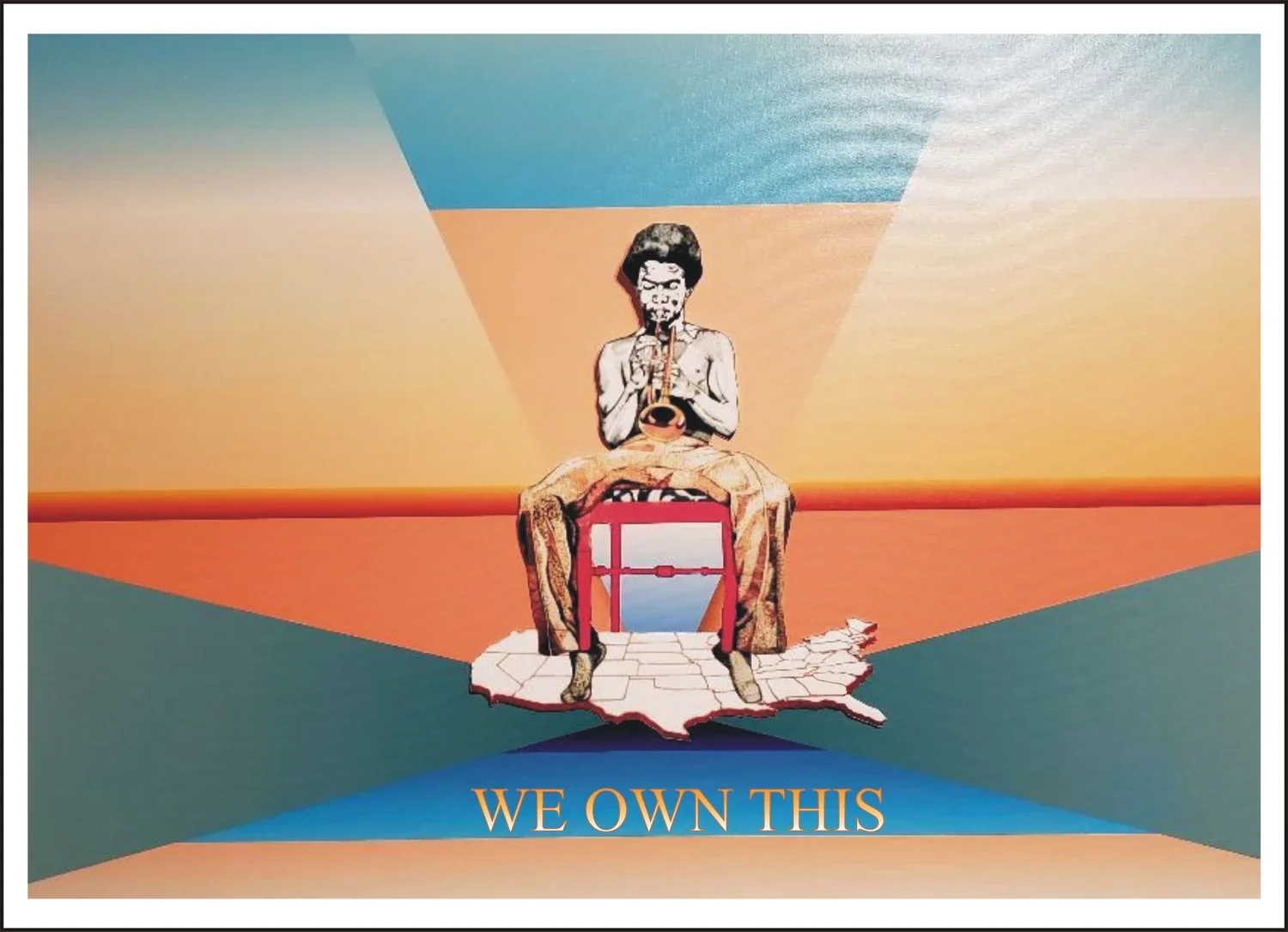
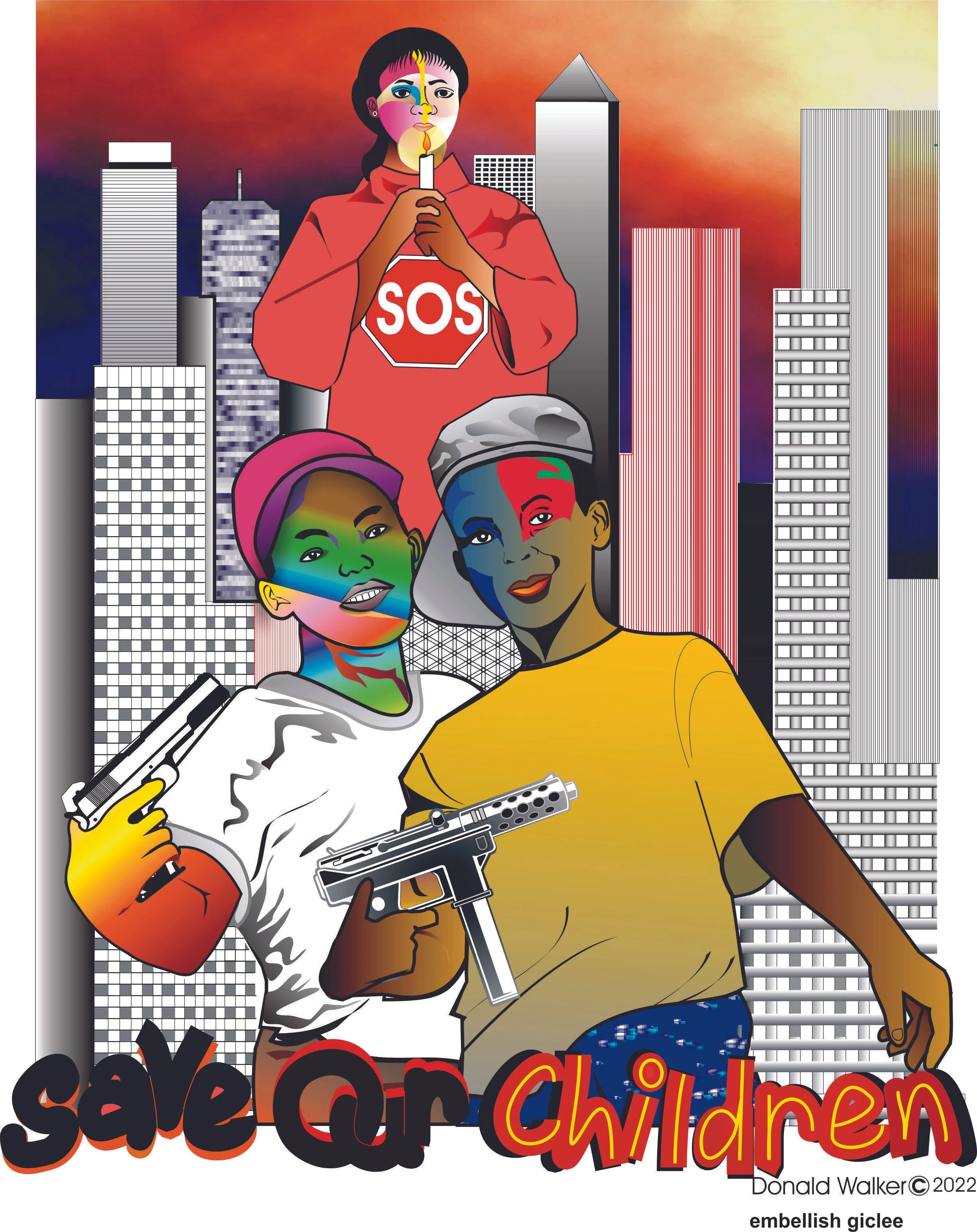
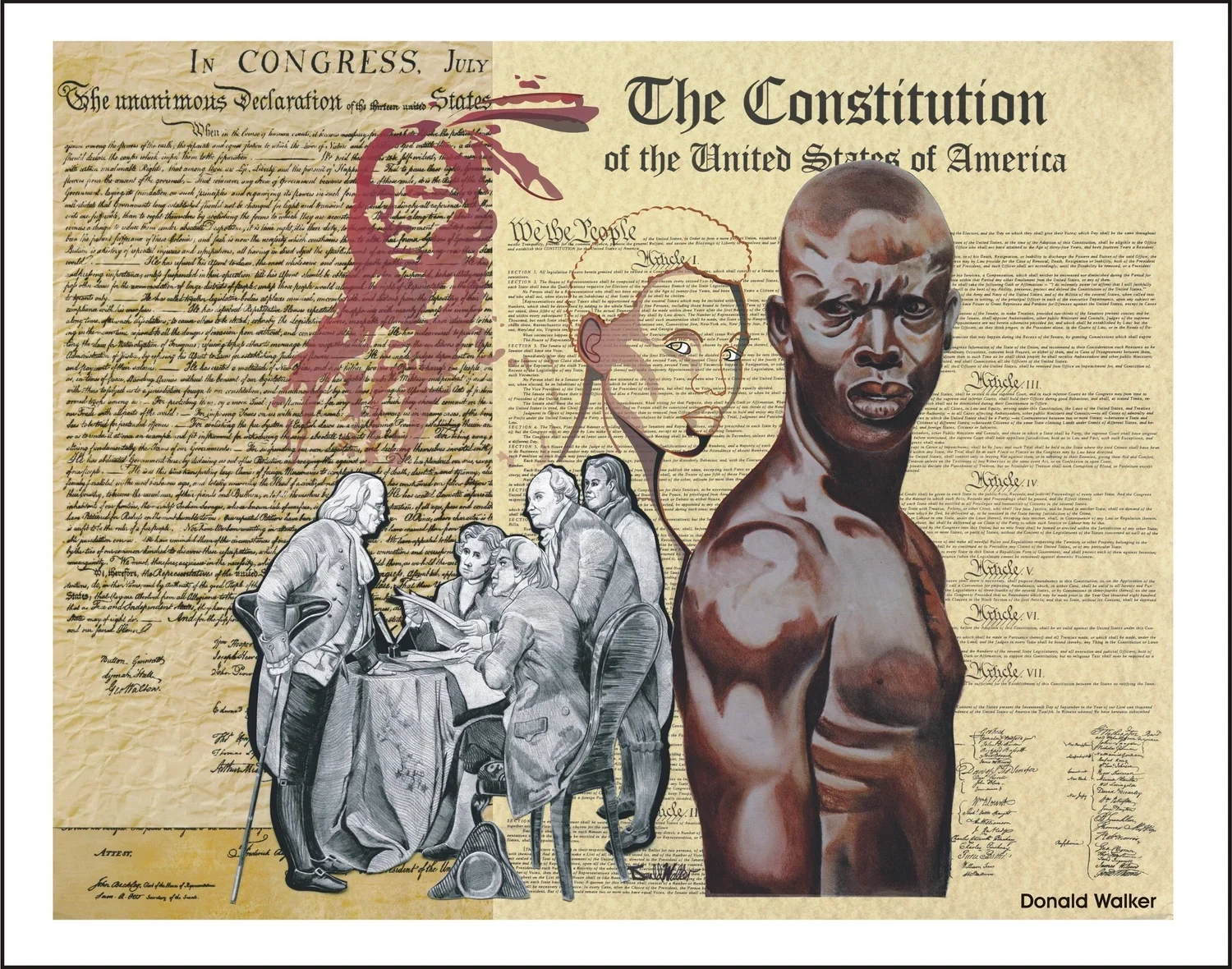
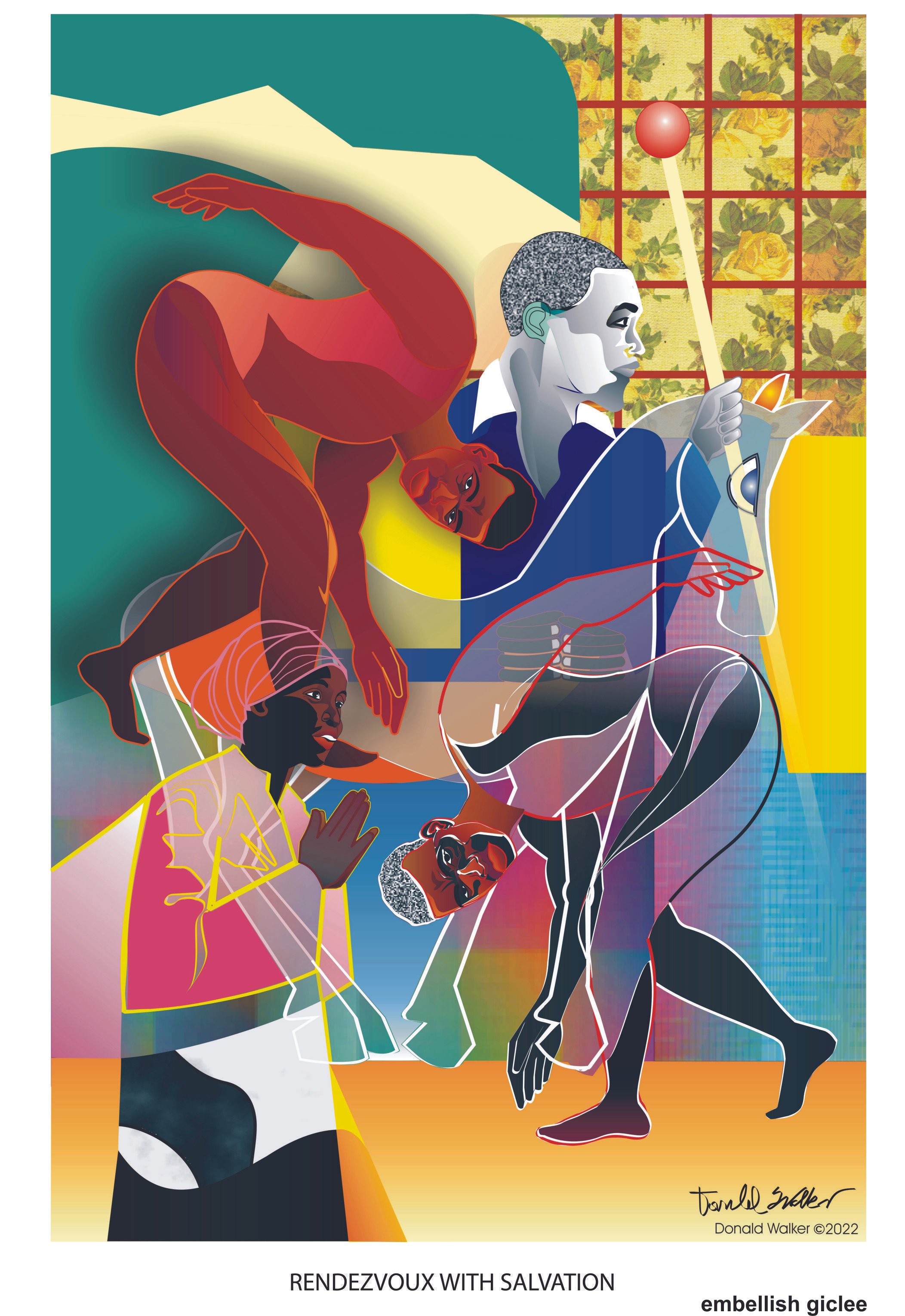
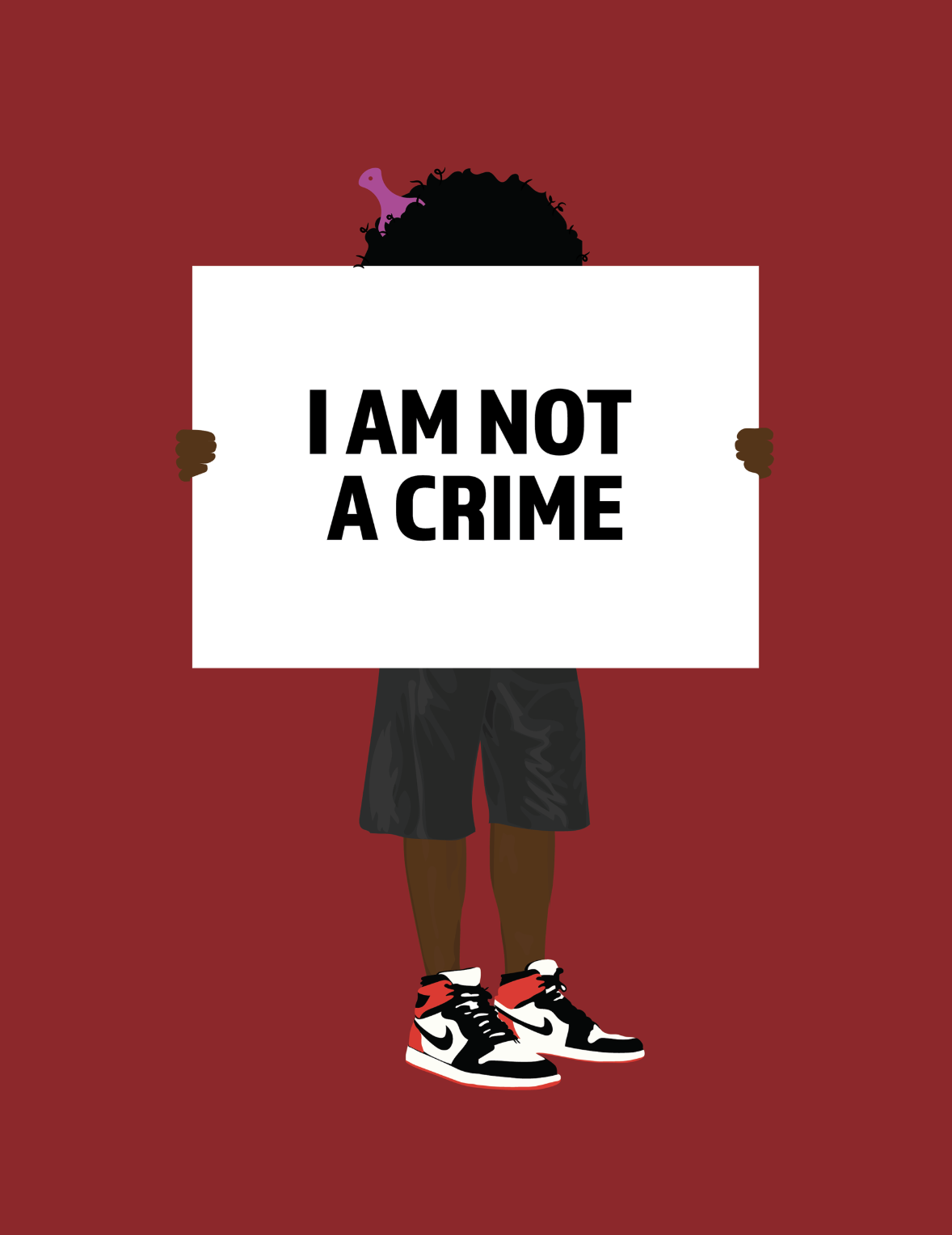
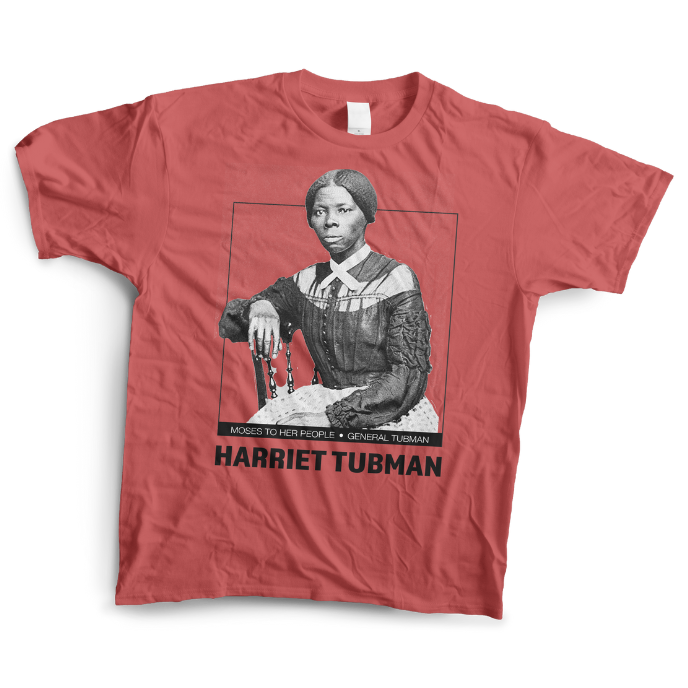
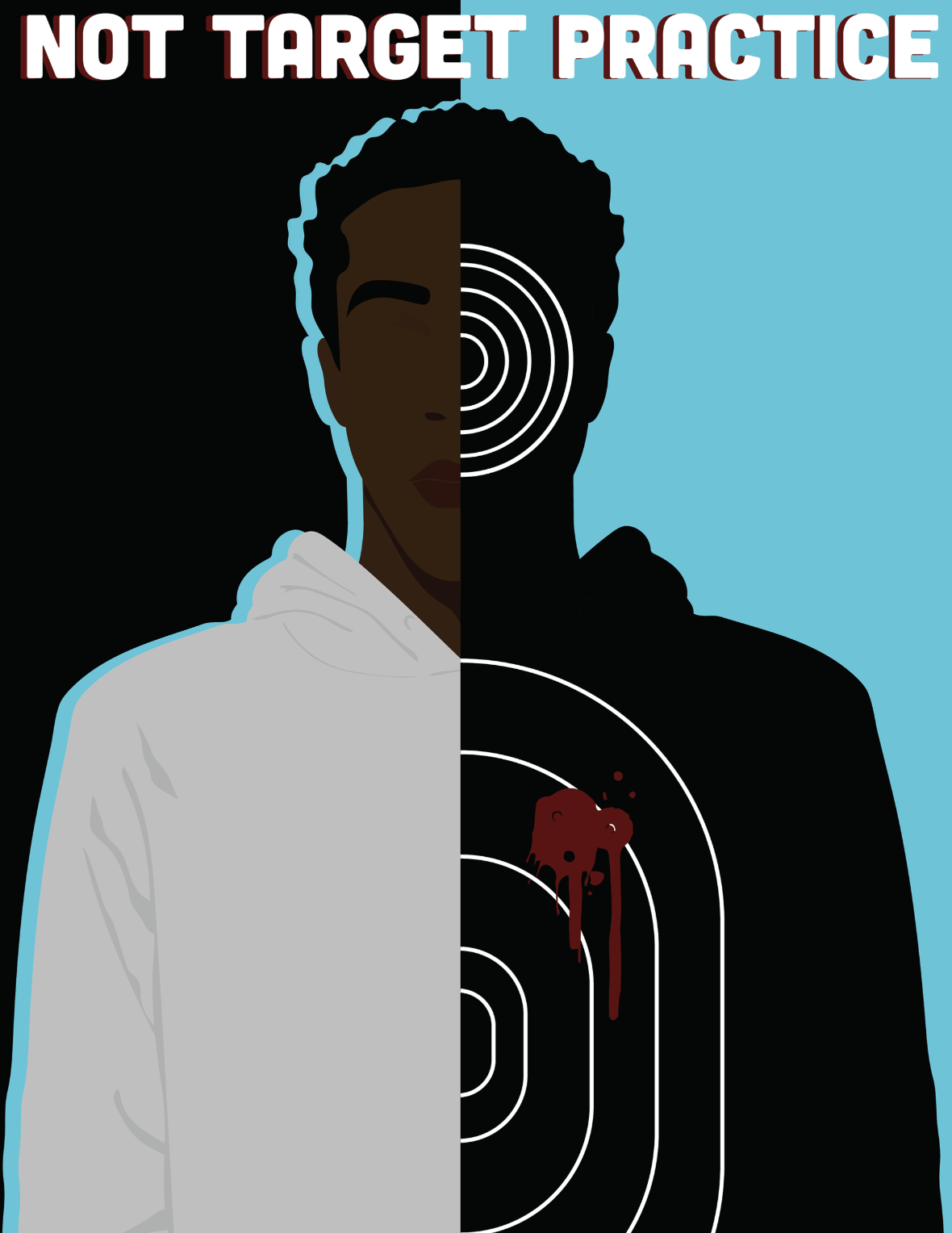
In this video, nationally-recognized Twin Cities artist Donald Walker recounts his artistic transition to becoming a social justice advocate, as he’s flanked by his eye-popping collection of posters and paintings with images of Harriet Tubman, Emmett Till, Martin Luther King, Jr., and Coretta Scott King, among many others, with their biting, truth-telling messages.
As a young cartoon artist, Donald caught the eye of his art teacher who arranged a visit to the graphics promotion department of the Pioneer Press to get pointers on his work. That group of artists was so impressed with Donald’s work — “This guy’s got skill!” — that they wanted him to intern with their team. A job interview was arranged with the Press’s publisher who acted “weirdly” upon seeing Donald, hardly saying a word to him, although a job application was filled-out. After weeks went by, finally the teacher called the Press and was told that Donald never showed up for the interview — “a straight-up racist lie,” says Donald.
Ironically, later in his career, Donald would become the first African American artist to work at the Minneapolis Star Tribune. Stinging as that early experience was, the affirmation he received from the Pioneer Press’s graphics staff for his outstanding skill — in contrast to the deceitful rejection by the publisher because of skin color — were life-lessons for Donald. An artist must be a truth-teller, front and center. “That’s how we learn, that’s how we get better, that’s what America needs to get better — the truth!”

KENNEDY SIMPSON
Kennedy Simpson Designs | Artist and Graphic Designer
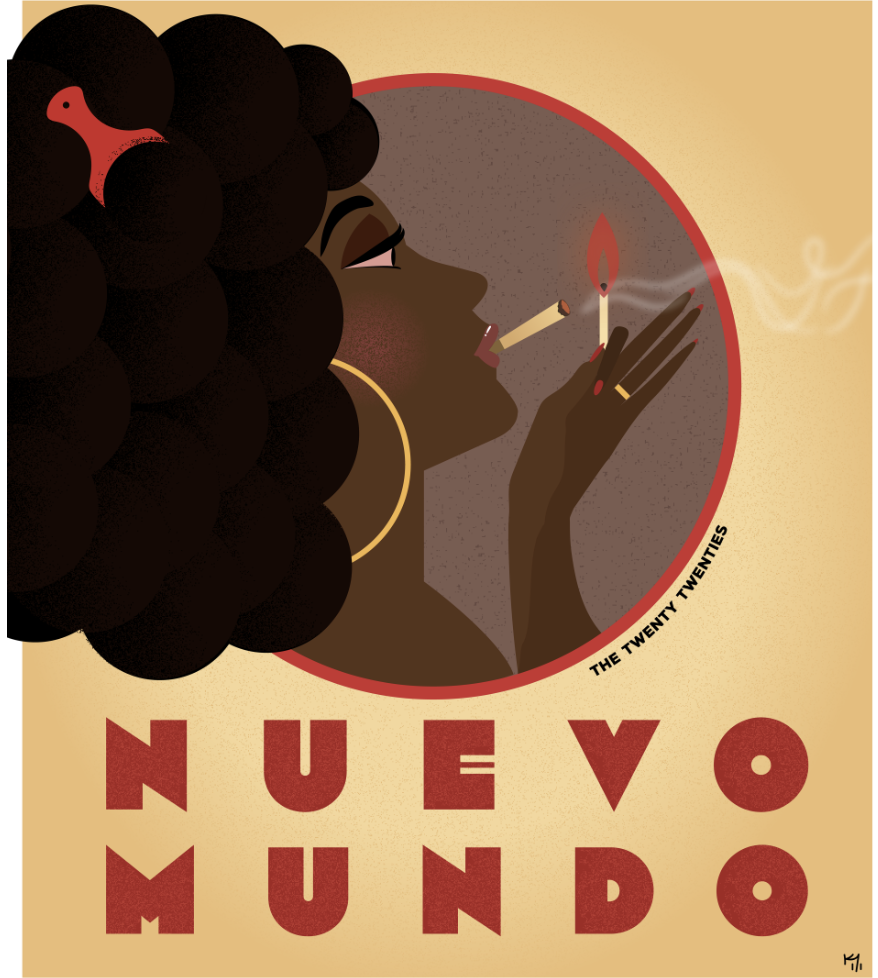
Kennedy Simpson is currently a Twin Cities artist and graphic designer. In this video, she reflects back on a third-grade experience shortly after her family moved to a small Minnesota town where she was the only child of color in her school. Kennedy overheard one child say to another child, about her: “Nah, she’s not cute, she’s a nigger.” This shocking comment formed the blueprint for Kennedy's school years…feeling invisible and isolated, not smart or taken seriously. “A piece of gum on the bottom of someone else’s shoe,” she recalls. Over her school years, Kennedy wrote letters to the principal challenging the school to honor diversity and not tolerate racial slurs. Now, as an adult artist and activist, Kennedy shares her pride in that little girl who felt so small and anxious at the time.



JIM STEWART
Late Macalester College Professor of History and
Founder of the Pay Attention! Project
Jim Stewart describes his unlikely entry point into antiracist work in this rustic yet informative interview with a student from Colgate University as part of the National Abolitionist Hall of Fame and Museum’s Black History Matters series, February 2021.
As a Division I basketball player at Dartmouth College, Jim Stewart played with and against white players only. Upon graduation in the early 1960s, he returned home to Shaker Heights, Ohio to engage in voter registration efforts during the civil rights era. The only place for him to maintain his basketball skills was at a downtown rec center, populated by Black players who played a very different type of basketball – one that taught him how it felt to be “othered.” This experience, along with the Cleveland riots that occurred after the assassination of Dr. Martin Luther King, Jr., was life-changing for Jim, propelling the question: “Where does all this anger and separation come from?”
That question undergirded Jim’s long academic career in teaching and writing about racial injustice and is at the heart of his major post-retirement project – a remarkable video lecture series entitled Historical Tonic for Fragile White Folks. Dr. Stewart explains that embedded in this set of short videos are answers to his question regarding the origin of anger and separation between the races. This interview and the video series contain an important message to white people: Pay attention! Become informed! Show up! Because, according to Jim: “When white people show up, change happens. When white people don’t show up, nothing changes.”
Watch the interview below. In addition, visit About Us for more information about Jim Stewart.

JOHNNIE MAE MABERRY
Born and raised in Jackson, Mississippi, artist Johnnie Mae Maberry learned early on that her place in the racist South was one of potential abuse, disregard, and being seen as “lesser” than others. Though protected from these realities within her Black home and community, one day while shopping with her mother, Johnnie Mae encountered a white boy’s casual and unprovoked racial slur to her. Although only five years old, she can still recall the anger boiling up inside her and, with fists clenched, she shouted a derogatory term back at him, one meant to insult white people. Her panicked mother abruptly ended the shopping trip and hurried her home, sharply admonishing her: “Don’t you ever say that again. You don’t know your place.”
Artist, Educator, Writer
-
As she grew older, Ms. Maberry pondered what her mother’s words “know your place” meant within the racial realities of the Jim Crow South. She gradually came to understand how race shaped power, belonging, and worth. A saving grace amid these realities was Johnnie Mae’s vivid imagination and extraordinary artistic ability. From her earliest memories, she was always drawing, painting, and creating. Though there were no art classes in her elementary school, teachers regularly called on Johnnie Mae to design class displays and school posters. She still remembers the joy of hearing her 5th grade teacher say, after seeing one of her drawings: “You are an artist, Johnnie Mae!”
Although there was no money for private art lessons, her father recognized her talent and determination, and he arranged for Johnnie Mae to take a correspondence art class. She had her first in-person art class in high school and, despite an uninspiring teacher, she remained focused on pursuing her artistic calling.
Ms. Maberry enrolled in her hometown Tougaloo College, an HBCU (Historically Black Colleges and Universities), located on the site of a former Jackson, Mississippi slave plantation. There, she was mentored by renowned German art educator Professor Ronald Schnell. With his encouragement, she successfully advocated for the establishment of the first art major at Tougaloo College. Ms. Maberry was fortunate to study within the rich environment of the Tougaloo College Art Collection, founded by Professor Schnell. Later, she joined the Tougaloo Faculty, where she taught drawing, painting, print-making, sculpture, photography, and art education, as well as African American Art History, for more than three decades. Professor Maberry recounts that she has always told her students that artistic gifts come with responsibility, and that “… through our art, we can present a vision of a better and more loving world.”
Along the way in her career, Professor Maberry earned an MA in art education and an MFA from Mississippi College. She also served as Co-Director of the Institute for the Study of Modern-Day Slavery at Tougaloo College from 2016 to 2021. Currently, Professor Maberry is pursuing her doctoral dissertation online at the Institute for Doctoral Studies in the Visual Arts.
Reflecting on her life’s work, Professor Maberry says: “Although my images and my research confront systems of exclusion and white supremacy, my goal has consistently been to invite honest dialogue, understanding, justice, and transformation. My art builds bridges rather than walls.”
Two series of Professor Maberry’s work are presented on the Pay Attention! website: Beautiful Black and Brown Butterflies and Illustrating the Classic Slave Narratives.
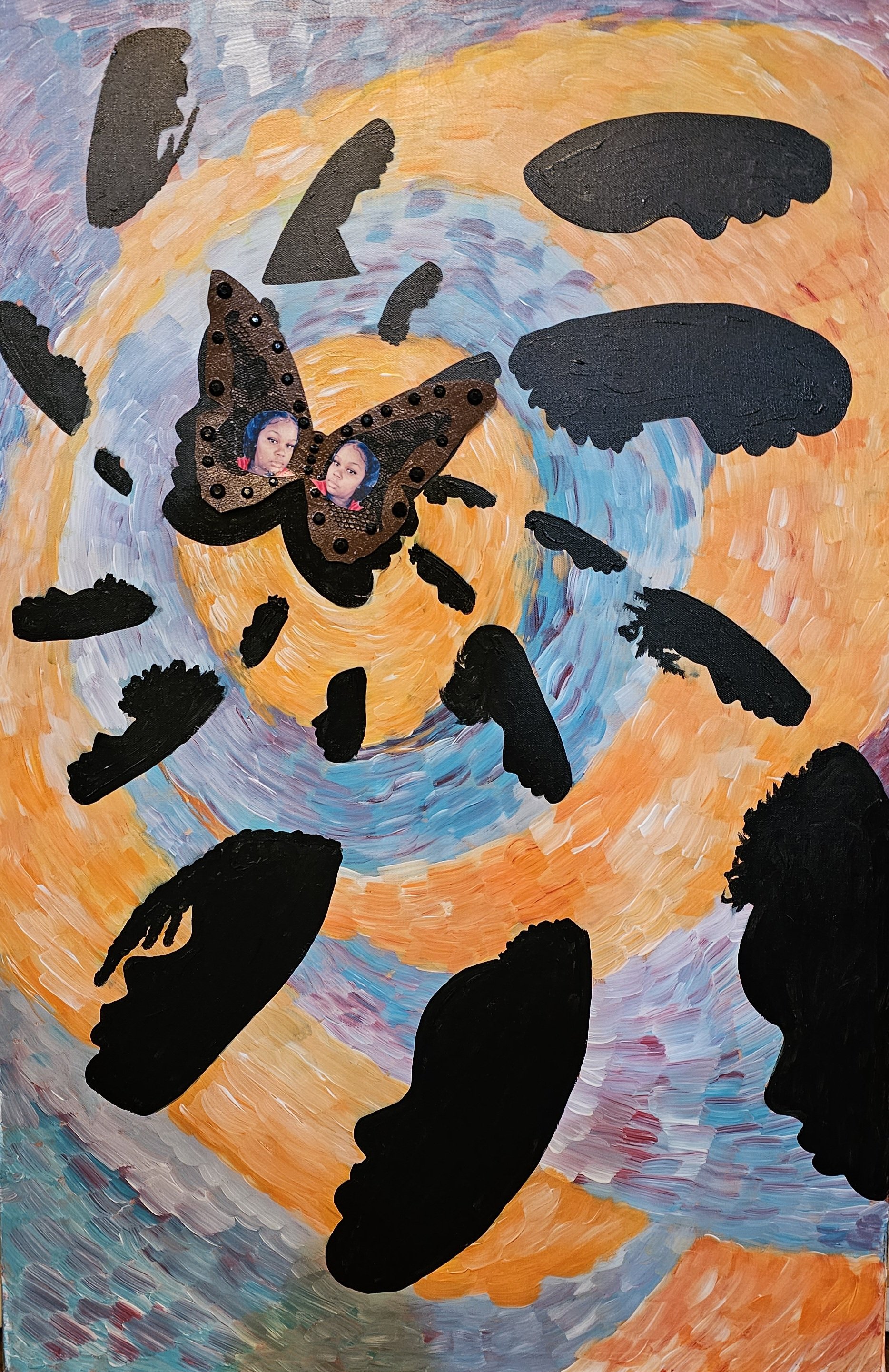
Flutter, flutter
Beautiful Black and Brown Butterflies.
Flutter into our hearts, minds, and spirits
Lest we forget.
Flutter until justice rains down
Like a might storm and
Love of all
Becomes flooding rivers.
Johnnie Mae Maberry
Beautiful Black and Brown Butterflies
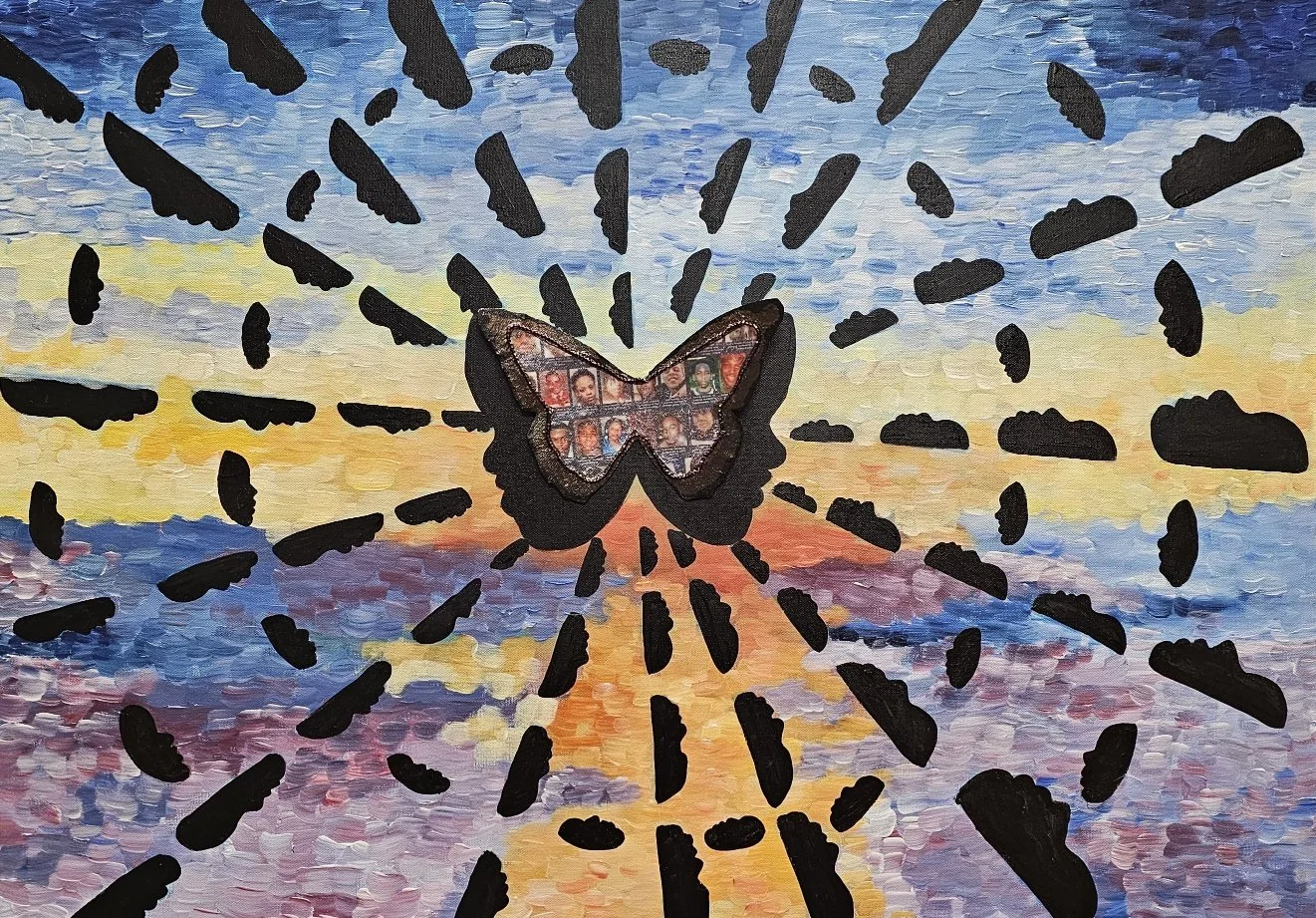
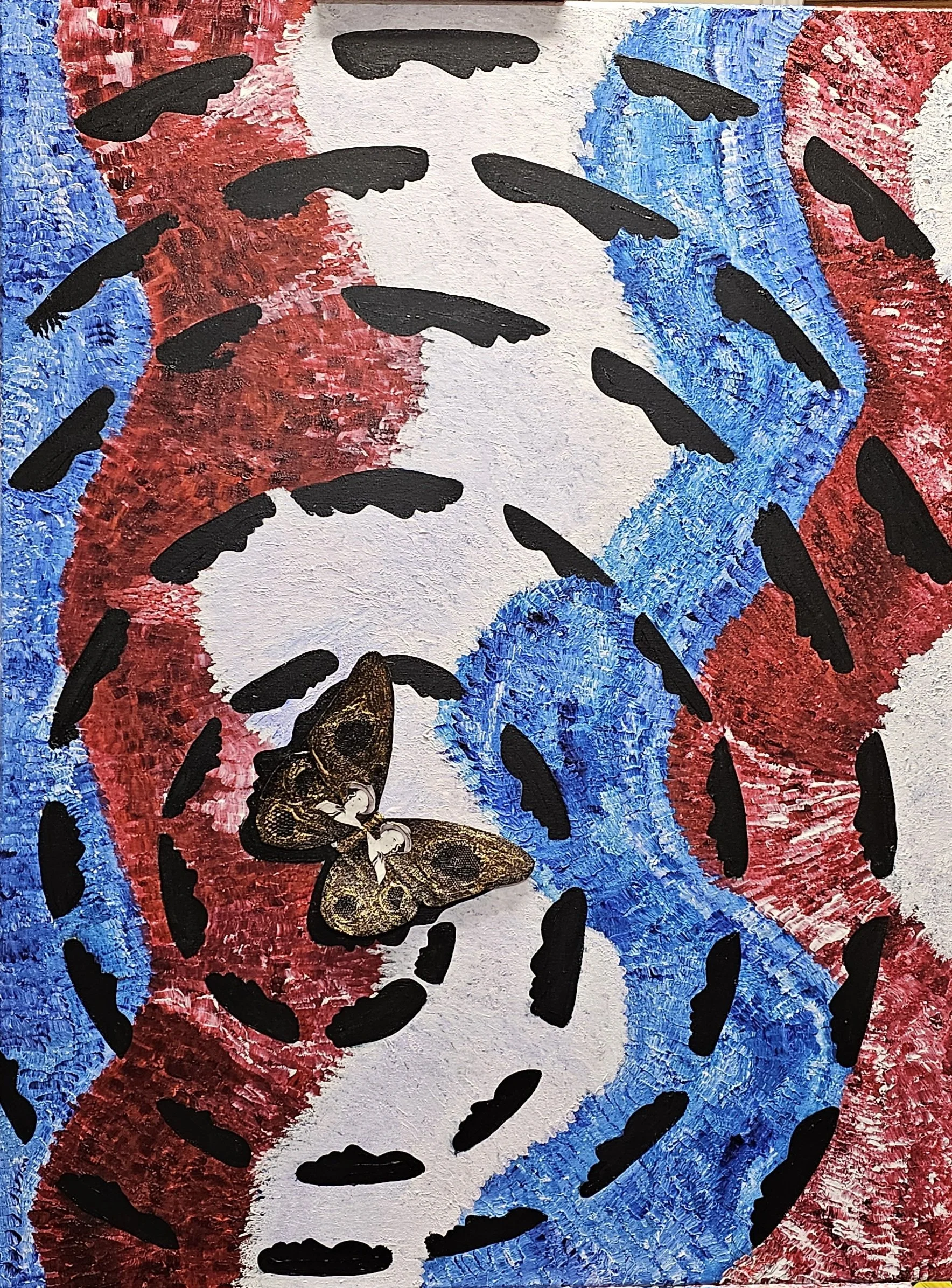
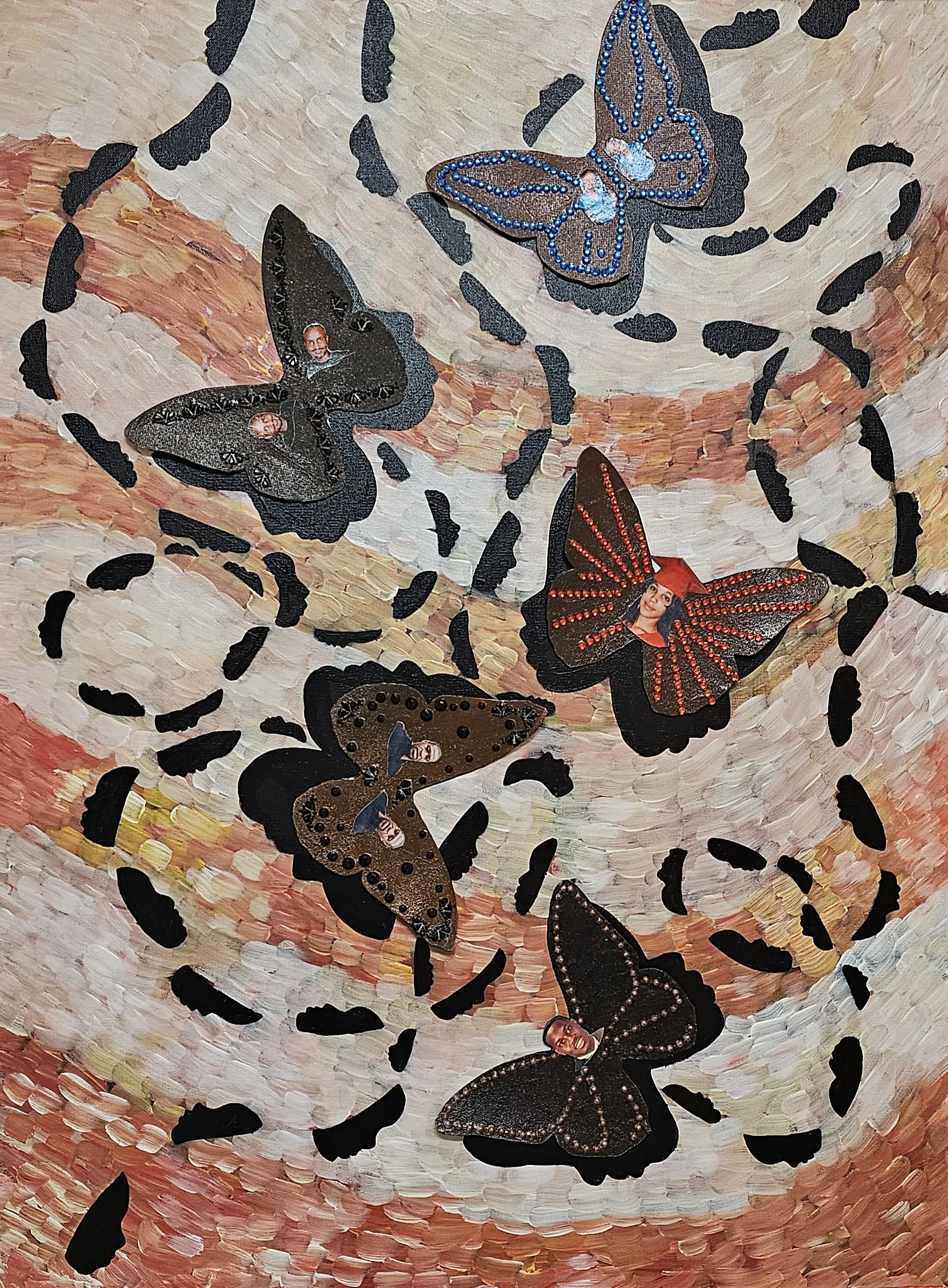
These words by poet, artist, and educator Johnnie Mae Maberry are brought to life in her current artistic production entitled the Beautiful Black and Brown Butterflies (BBBB) series. The exhibit pays homage to victims of violence and creates a memory of history that should not be forgotten. “The killing of unarmed Black and Brown adults and children … continues to be an injustice that needs addressing,” says Ms. Maberry.
In the BBBB project, Black butterflies represent truth, while Brown butterflies symbolize transformation. The series stems from violent incidents whose only purpose was to cause harm to individuals. The BBBB project transforms these individuals’ stories into purposeful and beautiful works of art that honor their Black and Brown lives. Because of artist Maberry’s work, these lives have metamorphized into something new and ongoing.
Illustrating the Classic Slave Narratives
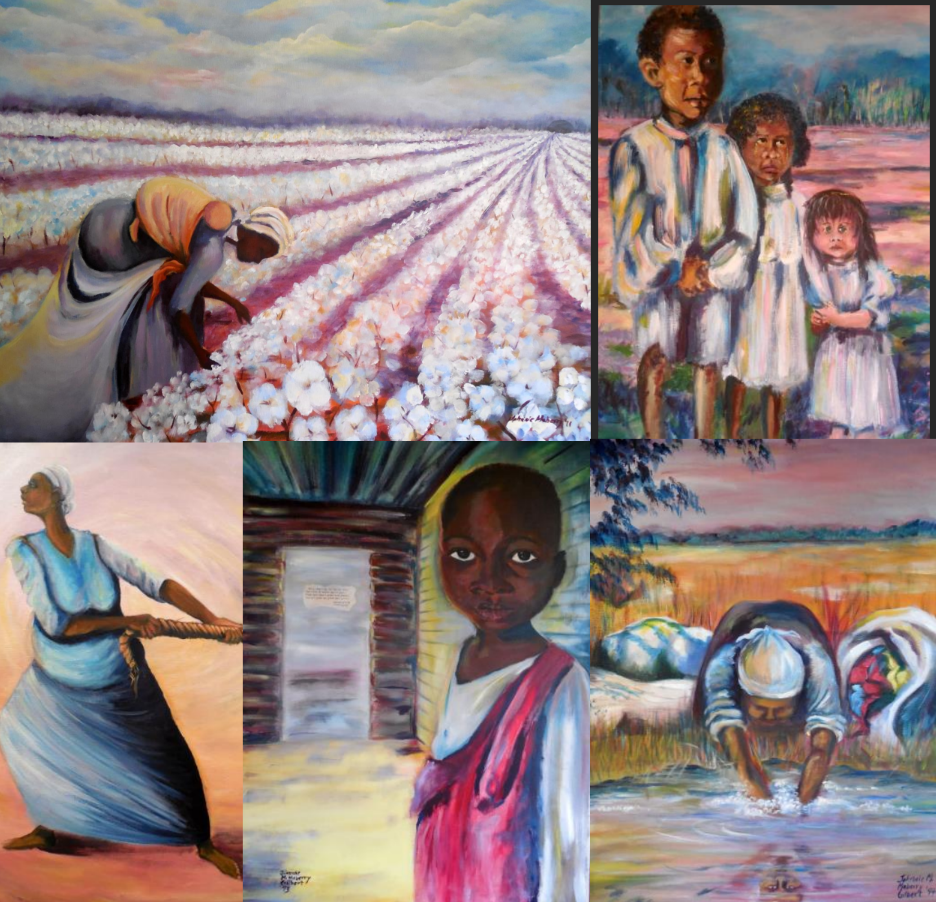
“The great God above alone knows the thoughts of the poor slave’s heart, and the bitter pains which follow such separation as these. All that we love, taken away from us… When the sale was over, my mother hugged and kissed us, and mourned over us, begging of us to keep a good heart, and do our duty to our new masters. It was a sad parting; one went one way, one another, and our poor mammy went home with nothing.”
Reference: Incidents in the Life of A Slave Girl, A West Indian Slave [Mary Prince]
In 1989, as a young faculty member at her Alma Mater, Tougaloo College, artist Johnnie Mae Maberry had the opportunity to do a residency at New York University. It was in the NYU library that she discovered the slave narratives, collected and transcribed as a project of the 1930’s Works Progress Administration (WPA). The slave narratives, along with the writings of Frederick Douglas, inspired Ms. Maberry to begin creating paintings of what would become her series entitled Illustrating the Classic Slave Narratives. These works are visual representations of everyday life in slavery, as described by enslaved individuals and recorded by the WPA project.
The paintings in Illustrating the Classic Slave Narratives are colorful and stunning; however, the stories they depict are cruel and heartbreaking. There are the children being sold away from their mother; a naked pregnant woman being beaten because a cow strayed; Frederick Douglas’ frail mother being sent to a cabin in the woods because she’s too old to work; the 6-year-old who’s expected to carry water to the fields in gigantic gourds. Each painting in the series tells its own unique story, along with its discrete narrative. Taken as a whole, the Illustrating the Classic Slave Narratives project portrays the grim, harsh, and merciless realities of slave life in beautiful paintings, thus paying homage to the people whom the series depicts.
SENIORS TALK:
PERSONAL EXPERIENCES
WITH MATTERS OF RACE
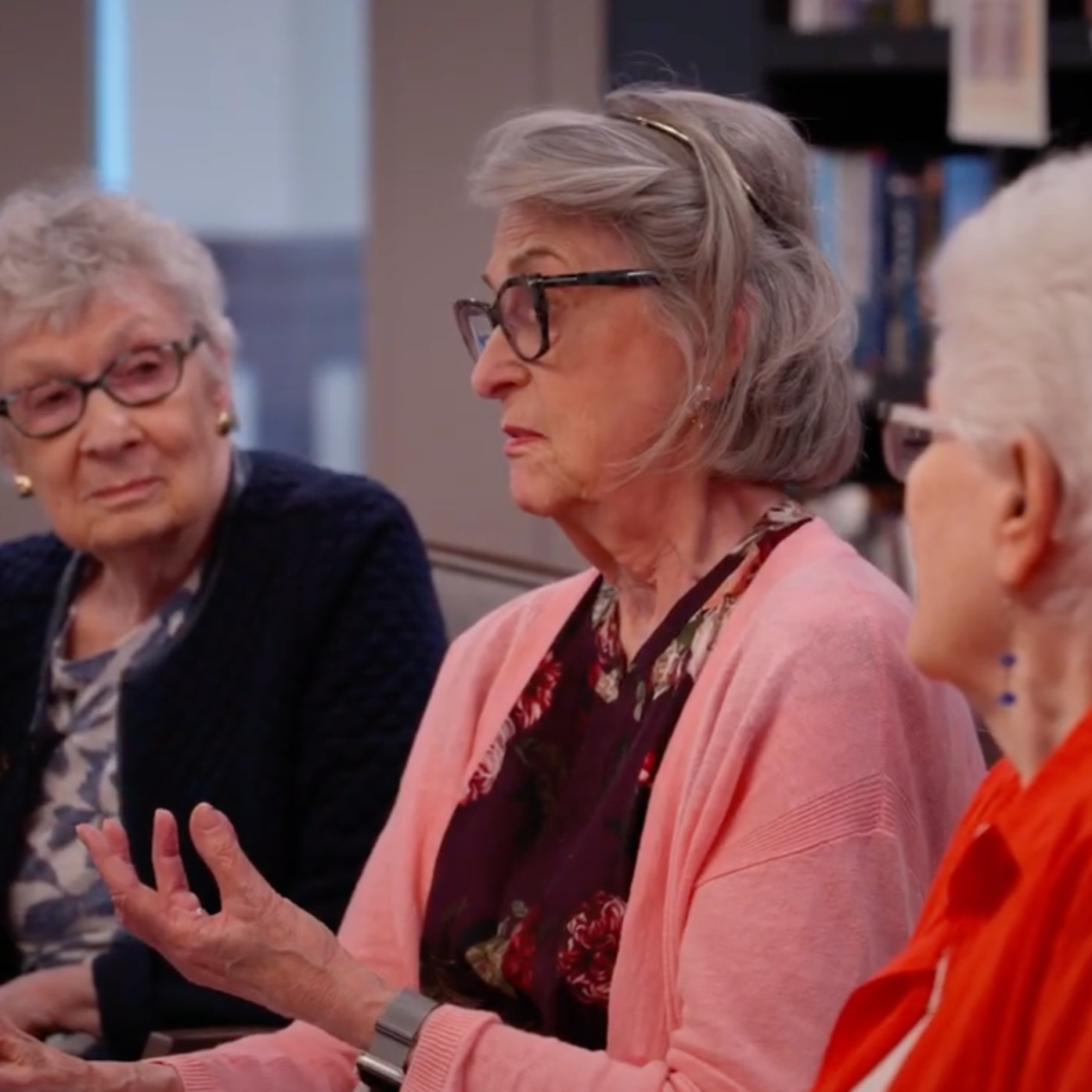
The Social Justice Group at a senior retirement community meets weekly to discuss and participate in a variety of racial justice matters, such as outreaching to a nearby community center, presenting educational programs for fellow residents, and writing get-out-the-vote postcards. An underlying commitment of group members is to educate themselves about the roots of racial injustice, both in themselves and in society. In these short video clips, several members of the Social Justice Group share their perspectives and experiences from the 1950s and ‘60s, when racial tensions were high and racial slurs were commonplace. Speaking one’s truth or telling one’s story within a circle of listening peers is one way to unpack negative perceptions from the past and seek a clearer, more affirming racial path forward. We hope that these short vignettes will help to trigger conversations about racial matters within other small groups.
-
How do you grasp a story’s theme or message?
How can you apply another’s story to your own experience?
Do you have a story to share that was stimulated by listening to or reflecting on another’s story? You can share your story by writing about it as well as speaking it.
